
Non classé

Public Sector Policy Makes a Big Difference in Sweden

For over 40 years, Sweden’s approach to labour market disability inclusion has been highly successful, with road transport one of several sectors where the model is applied in a practical, scalable way. Samhall is a state-owned company specifically tasked with creating meaningful work for people with disabilities that affect their work capacity. Unlike short-term schemes, […]

Public Sector Policy Makes a Big Difference in Sweden Read More »
The JAM Card: Supporting inclusion through simple tools

Not all disabilities are visible. For many people, this can lead to misunderstanding, minsinterpretation, or even stereotyping. To address this, Ireland introduced the JAM Card (Just A Minute) in 2012. This simple tool – available as a plastic card or an app – enables people with hidden disabilities, communication barriers, or social anxiety to discreetly

The JAM Card: Supporting inclusion through simple tools Read More »

Inclusion at Work: More Than a Concept – A Collective Commitment

At DiTL, we believe that inclusion is not just a buzzword. It’s a shared responsibility—one that comes to life through concrete actions, open dialogue, and a genuine desire to foster positive change in the workplace. Two standout examples from Portugal show how companies can turn inclusive values into everyday practices: Nestlé Portugal and Randstad Portugal.

Inclusion at Work: More Than a Concept – A Collective Commitment Read More »

Institut Escola del Treball (Spain) paves the way for professional inclusion in the logistics sector

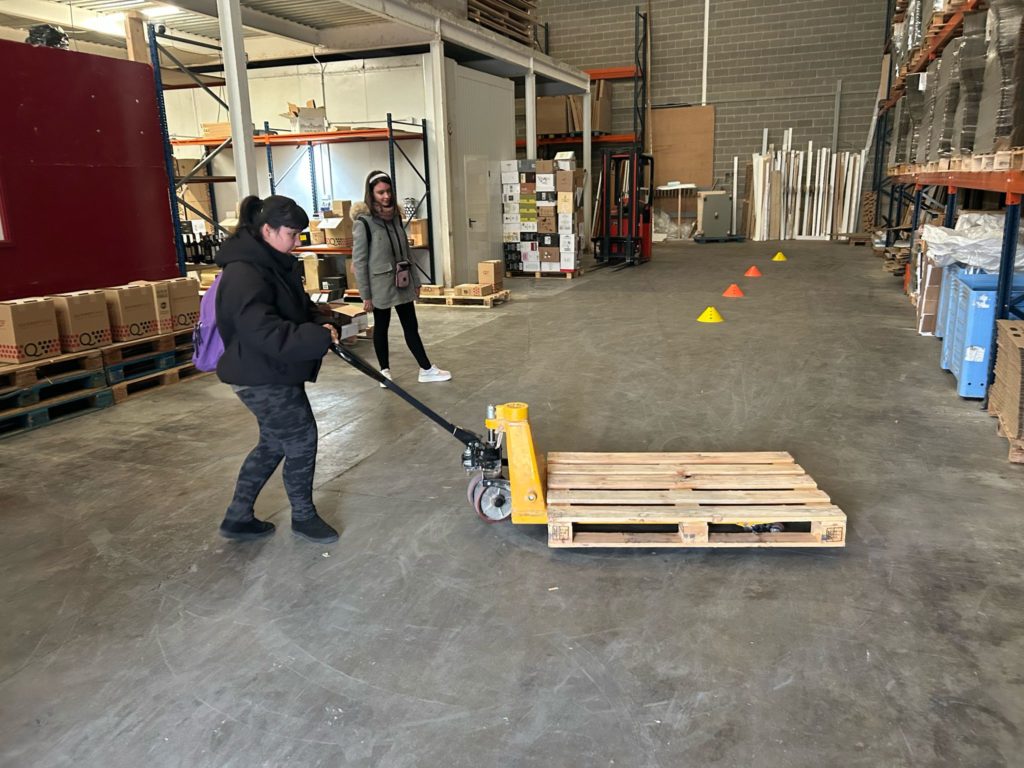
At DiTL, we believe that inclusion is more than just a concept — it’s a true commitment to creating real and accessible opportunities for all. One of our partners, Institut Escola del Treball in Spain, is a shining example of this vision through its program IFE – Auxiliary in Sales and Customer Service. Specifically designed

Institut Escola del Treball (Spain) paves the way for professional inclusion in the logistics sector Read More »

The results of the comparative analysis of aptitude requirements for transport and logistics jobs and their impact on the inclusion of people with disabilities in transport and logistics are available!

Disabled people Inclusion and training in Transport and Logistics (DiTL) is an ERAMUS + project which aims to create a toolbox to combat stereotypes, shed light on innovations and initiatives to remove obstacles to the training and employment of disabled people and to provide them with new employment and career prospects in the sector. To

The results of the comparative analysis of aptitude requirements for transport and logistics jobs and their impact on the inclusion of people with disabilities in transport and logistics are available! Read More »

DiTL Project: Advancing Disability Inclusion in EU Transport & Logistics

In just six months, the EU-funded DiTL Project (Disabled People Inclusion and Training in Transport and Logistics) is already working to dismantle barriers and drive progress for people with disabilities in the transport and logistics sectors. By improving access to training and employment opportunities, DiTL addresses the systemic underrepresentation of disabled professionals in these critical

DiTL Project: Advancing Disability Inclusion in EU Transport & Logistics Read More »

Driving Inclusion in Transport and Logistics: Cheops Highlights DiTL at the French Senate

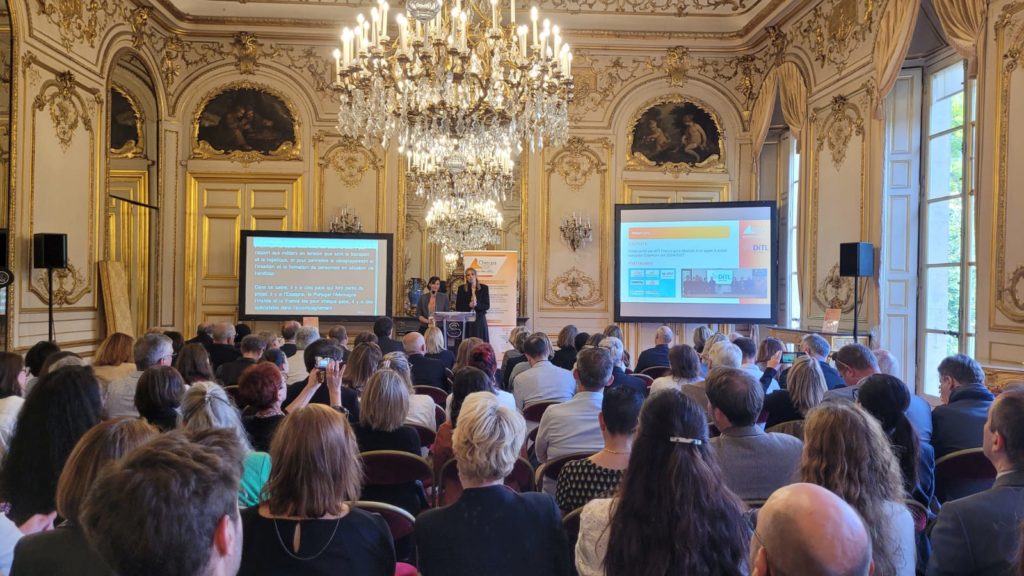
On May 22, at the Baromètre de l’activité held at the French Senate in the presence of the Minister of Labour and Employment, Ms. Astrid Panosyan-Bouvet, Cheops showcased its ongoing commitment to European initiatives supporting the employment of people with disabilities. Among the highlights was a focus on the DiTL Project, which plays a key

Driving Inclusion in Transport and Logistics: Cheops Highlights DiTL at the French Senate Read More »

Transforming Transport and Logistics Through Inclusion

Portugal’s approach to integrating people with disabilities as a strategy for innovation Inclusion of people with disabilities is more than a matter of social justice — in Portugal, it is seen as a strategic pathway to innovation and sustainable growth. In key sectors such as transport and logistics, human diversity brings strength, resilience, and progress.

Transforming Transport and Logistics Through Inclusion Read More »